
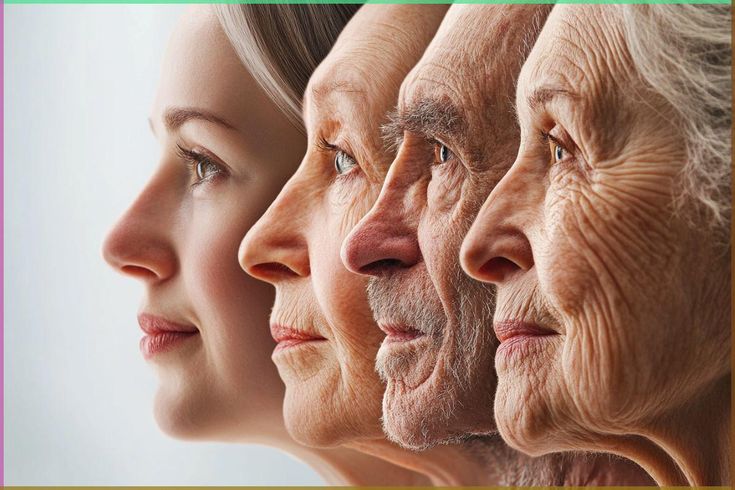
Ageing is a natural biological process, but people do not all age in the same way or at the same rate. Two people of the same chronological age may have very different levels of strength, mobility, memory, independence and resistance to disease.
Healthy ageing does not mean remaining completely free from illness or attempting to look permanently young. It means preserving the physical, mental and social abilities that allow a person to remain active, independent and engaged in meaningful activities for as long as possible.
The World Health Organization defines healthy ageing in terms of maintaining the functional ability that supports well-being in older age. This ability depends on a combination of a person’s physical and mental capacity, surrounding environment, relationships, healthcare access and opportunities to participate in society.
What Happens to the Body as It Ages?
At a biological level, ageing develops through the gradual accumulation of molecular and cellular damage. The body has sophisticated systems for repairing DNA, replacing damaged cells, maintaining proteins and controlling inflammation, but these systems become less efficient over time.
The effects are not perfectly predictable. Age-related changes are neither completely linear nor identical among individuals. Some people maintain high levels of physical and cognitive function into later life, while others experience disability or chronic illness much earlier.
Scientists study ageing through a framework often called the “hallmarks of ageing.” A major scientific review published in Cell described 12 interconnected processes associated with ageing, including DNA damage, telomere shortening, epigenetic changes, mitochondrial dysfunction, chronic inflammation, cellular senescence, loss of protein quality control, stem-cell exhaustion and changes in the gut microbiome.
These mechanisms should not be interpreted as 12 separate causes. They interact continuously, and a change in one biological system can influence several others.
DNA Damage and Genetic Stability
DNA contains the biological instructions that cells use to function. Throughout life, DNA can be damaged by normal cell activity, environmental exposures, radiation, tobacco smoke and other sources.
Cells have repair mechanisms that correct much of this damage. As the body ages, however, some errors may accumulate. These changes can interfere with normal cell function and may contribute to cancer, declining tissue function and other age-related conditions.
Genes influence longevity and vulnerability to particular diseases, but they are not the only factor determining how a person ages. Long-term studies of ageing examine the combined effects of genetics, behaviour, environment and social circumstances because no single gene explains the overall ageing process.
Epigenetic Changes and Biological Age
The epigenome is a system of chemical markers that helps control which genes are active or inactive. Unlike the underlying DNA sequence, epigenetic patterns can change with age, health, behaviour and environmental exposure.
Researchers have developed experimental “epigenetic clocks” that estimate biological age by analysing patterns such as DNA methylation. These measurements can help scientists study differences in the pace of ageing and may help predict certain health outcomes. However, biological-age tests are still primarily research tools and should not be treated as definitive forecasts of an individual’s lifespan.
Chronological age simply measures how many years a person has lived. Biological age attempts to describe the condition and functioning of the body. A person’s biological systems may appear older or younger than expected for their chronological age, but no single test can capture every aspect of ageing.
Telomeres and Cell Division
Telomeres are protective structures at the ends of chromosomes. They help prevent important genetic material from being lost or incorrectly joined when cells divide.
Telomeres generally become shorter through repeated cell division. When they become critically short, a cell may stop dividing, become dysfunctional or die. Telomere shortening is therefore associated with ageing, although it is only one part of a much larger biological system. Simply increasing telomere length would not automatically solve ageing and could introduce other risks, including uncontrolled cell growth.
Mitochondria and Cellular Energy
Mitochondria are structures within cells that help convert nutrients into usable energy. They also influence metabolism, cell signalling, inflammation and controlled cell death.
As people age, mitochondrial function may become less efficient. Damaged mitochondria can produce less energy and may generate biological stress that affects nearby cellular structures. This is especially important in tissues with high energy requirements, including muscles, the heart and brain.
Regular physical activity appears to support mitochondrial health by increasing the body’s demand for energy and encouraging cellular adaptation. Exercise cannot prevent every age-related change, but it is one of the most consistently supported ways to maintain physical function during ageing.
Protein Quality Control
Proteins perform most of the practical work inside cells. They transport materials, support tissue structure, control chemical reactions and transmit biological signals.
Proteins must be correctly folded into specific shapes. Damaged or incorrectly folded proteins are normally repaired, recycled or removed through quality-control systems such as autophagy. With ageing, these maintenance systems may become less efficient, allowing dysfunctional proteins and cellular waste to accumulate.
Loss of protein quality control is associated with several age-related diseases, particularly conditions affecting the nervous system. However, the relationship is complex, and researchers are still investigating which changes cause disease and which are consequences of it.
Cellular Senescence
When cells are damaged or placed under significant stress, some enter a state called cellular senescence. Senescent cells remain alive but stop dividing.
This response can be useful because it may prevent damaged cells from reproducing. Senescent cells can also assist with wound healing and tissue repair in certain situations. Problems may arise when too many of them accumulate and release inflammatory substances into surrounding tissue.
Scientists are investigating medicines known as senolytics, which are intended to remove selected senescent cells. Although some animal studies are promising, there is not yet sufficient evidence to conclude that such treatments can safely slow general ageing in humans. Much of the science remains experimental.
Chronic Inflammation and “Inflammageing”
Short-term inflammation is an essential defence against infection and injury. It recruits immune cells, helps remove damaged material and supports tissue repair.
As the body ages, some people develop persistent low-level inflammation even when there is no immediate infection. Researchers sometimes call this process “inflammageing.” It may be connected with changes in immune regulation, senescent cells, body composition, chronic disease and the gut microbiome.
Long-term inflammation is associated with cardiovascular disease, diabetes, frailty and some neurological conditions. It is not possible to eliminate all inflammation, nor would doing so be healthy. The objective is to prevent unnecessary, prolonged inflammatory activity while preserving normal immune protection.
Stem Cells and Tissue Repair
Stem cells can produce new specialised cells used to maintain and repair tissues. Different stem-cell populations contribute to the health of the blood, skin, muscles and other organs.
With age, stem cells may decrease in number, become less active or respond less effectively to signals from damaged tissue. This can reduce the body’s ability to repair itself after illness or injury.
Physical activity, adequate nutrition and effective management of chronic illness can support tissue function, but claims that commercial treatments can universally “restore” stem cells or reverse ageing should be approached cautiously. Stem-cell therapies are highly specialised medical treatments and are not general anti-ageing procedures.
The Role of the Gut Microbiome
The gut microbiome includes the bacteria, viruses, fungi and other microorganisms living in the digestive system. These organisms help process food, produce certain compounds, interact with the immune system and protect against some harmful microbes.
The composition of the microbiome can change with age, medication use, diet, illness and environment. Researchers have included dysbiosis—an unfavourable disruption of microbial communities—among the hallmarks associated with ageing.
Scientists are still determining which microbiome changes directly influence healthy ageing. Eating a varied diet containing suitable sources of fibre generally supports digestive and overall health, but no single probiotic product has been shown to reverse the ageing process.
Why Exercise Is Central to Healthy Ageing
Physical activity affects several systems involved in ageing at once. It supports cardiovascular health, muscle strength, glucose regulation, bone health, balance, sleep and mental well-being.
It is particularly important for limiting sarcopenia, the age-related loss of muscle mass and function. Preserving strength allows people to perform daily activities, maintain balance and remain independent.
Current guidance recommends approximately 150 to 300 minutes of moderate-intensity aerobic activity each week, or 75 to 150 minutes of vigorous activity. Older adults should also perform muscle-strengthening activities on at least two days per week. Activities that develop balance and functional strength are especially valuable for reducing fall risk.
Exercise does not need to involve competitive sport. Walking, cycling, swimming, gardening, resistance training and appropriate household activities can all contribute. People with significant health conditions, pain, balance difficulties or prolonged inactivity may require a personalised programme from a qualified healthcare professional.
Nutrition and Healthy Ageing
A healthy ageing diet must provide enough energy, protein, vitamins, minerals, fibre and healthy fats to maintain tissue function.
This becomes especially important in later life because some people eat less because of reduced appetite, dental problems, illness, medication effects, financial limitations or difficulty preparing food. Losing too much weight or muscle can be harmful, even when a person’s body weight previously appeared high.
Healthy eating patterns generally emphasise vegetables, fruits, whole grains, legumes, nuts, seeds and suitable protein sources. The best diet depends on medical conditions, cultural preferences, food availability and individual nutritional needs.
No individual food can stop ageing. The greatest benefit usually comes from a sustainable eating pattern maintained over time rather than from a fashionable ingredient or restrictive diet.
Sleep and the Ageing Brain
Older adults still generally need approximately seven to nine hours of sleep, even though sleep patterns may become lighter or more fragmented with age.
Sleep supports memory, attention, emotional regulation, immune function and metabolic health. Persistent sleep problems may also increase the risk of falls and reduce daytime functioning.
A regular sleep schedule, daytime physical activity and a quiet sleeping environment may help. Persistent insomnia, heavy snoring, breathing interruptions, unusual movements during sleep or excessive daytime tiredness should be medically evaluated because they may indicate a treatable sleep disorder.
Social Connection Is a Biological Health Factor
Healthy ageing is not determined only by cells, diets and medical tests. Social relationships can influence stress, sleep, physical activity, mental health and access to practical support.
Loneliness is the distressing feeling of being alone or disconnected, while social isolation refers to having limited social contact. A person can experience one without the other.
Research has linked loneliness and social isolation in older adults with greater risks of depression, cardiovascular disease and cognitive decline. Maintaining meaningful relationships, participating in community activities and having regular contact with friends or relatives can therefore form an important part of a healthy ageing plan.
Cognitive Health and Lifelong Learning
Some changes in processing speed and memory can occur with normal ageing, but severe confusion and major loss of daily functioning should not be dismissed as an inevitable part of becoming older.
The brain continues to adapt throughout life. Activities that involve learning, problem-solving, creativity and social interaction may support cognitive health. However, there is not yet conclusive evidence that a particular commercial brain-training application can prevent dementia.
Protecting cardiovascular health is also important for the brain. Managing blood pressure, diabetes, hearing difficulties, sleep problems and physical inactivity may help reduce avoidable risks to cognitive functioning.
Preventive Healthcare and Early Treatment
Healthy ageing includes preventing disease where possible and detecting treatable problems early. Regular medical care may include vaccination, blood-pressure checks, medication reviews, dental care, vision and hearing assessment, and appropriate screening based on age and individual risk.
Managing an existing condition is also part of preventive care. Effective treatment of diabetes, heart disease, arthritis, depression or sensory loss can help preserve independence and prevent complications.
Healthcare should be personalised. Screening and treatment decisions should consider overall health, medical history, medication use, personal priorities and the potential benefits and harms of an intervention.
Can Science Slow Human Ageing?
Researchers are studying calorie restriction, senescent cells, nutrient-sensing pathways, gene regulation, stem cells and medicines that may affect biological ageing.
These investigations are scientifically important, but extending the lifespan of laboratory animals does not automatically prove that the same treatment will safely extend healthy human life. Ageing is influenced by multiple connected systems, and researchers continue to debate how accurately individual biological hallmarks represent the overall ageing process.
At present, there is no treatment proven to stop human ageing. The strongest practical evidence supports familiar measures: regular activity, nutritious food, sufficient sleep, tobacco avoidance, social connection, vaccination, preventive healthcare and appropriate treatment of medical conditions.
Frequently Asked Questions
What is the difference between lifespan and healthspan?
Lifespan is the total number of years a person lives. Healthspan is the period of life spent in relatively good health and with sufficient physical and mental ability to perform valued activities.
Healthy ageing research increasingly focuses on healthspan rather than simply extending life. Living longer has limited benefit when the additional years involve severe preventable illness or disability.
Can the ageing process be reversed?
Some temporary changes associated with stress, illness or inactivity may improve when the cause is removed. Strength, balance, blood-pressure control and metabolic health can also improve at many ages.
However, this does not mean that the entire biological ageing process has been permanently reversed. Claims of complete age reversal are not currently supported by established clinical evidence.
Is it ever too late to adopt healthier habits?
No. Healthy ageing begins early, but beneficial changes can still be made in later life. Increasing suitable physical activity, stopping smoking, improving food quality and managing health conditions can provide benefits even when these changes begin at an older age.
The appropriate starting point depends on a person’s current abilities and medical conditions.
What is the best exercise for healthy ageing?
There is no single best exercise. A balanced programme usually combines aerobic activity, muscle strengthening and balance training.
The most effective activity is one that is safe, suitable for the person’s ability and performed consistently. Walking is valuable, but walking alone may not provide enough resistance to preserve every major muscle group.
Do anti-ageing supplements work?
Supplements may be necessary when a person has a diagnosed deficiency, difficulty absorbing nutrients or another specific medical need. However, supplements should not automatically be treated as longevity treatments.
A large NIH-supported analysis found no association between regular multivitamin use and a lower risk of death among generally healthy adults. Supplements can also interact with medicines or cause harm when taken in excessive amounts.
Do genes determine how long a person will live?
Genes influence ageing and disease risk, but they do not act alone. Physical activity, diet, tobacco exposure, healthcare access, education, stress, income, housing and social relationships can all influence how a person ages.
WHO notes that much of the diversity observed in older age is connected with physical and social environments rather than genetics alone.
Does everyone become frail with age?
No. Frailty becomes more common with age, but it is not inevitable. Strength, mobility, nutrition, chronic illness, medication use and social circumstances all influence frailty risk.
Some older adults maintain physical and mental capacities similar to people who are decades younger.
How much sleep do older adults need?
Most older adults need approximately seven to nine hours of sleep per night. They do not necessarily need less sleep simply because they are older, although they may find it more difficult to remain asleep throughout the night.
Can a person prevent dementia?
Not every case of dementia can be prevented. Genetics and age remain important risk factors.
However, supporting cardiovascular health, remaining physically and socially active, addressing hearing loss, sleeping adequately and managing chronic conditions may help reduce some modifiable risks. Severe memory changes should always be evaluated rather than accepted as normal ageing.
Conclusion
Healthy ageing is the result of interactions among cellular biology, behaviour, medical care, relationships and the environment. The body gradually accumulates damage, but it also retains an impressive ability to adapt, repair and respond to healthier conditions.
There is no single treatment, food or supplement that controls the ageing process. The most reliable strategy is to protect physical function, maintain muscle and cardiovascular health, support the brain, remain socially connected and address medical problems before they cause avoidable disability.
The objective is not to fight every visible sign of age. It is to increase the likelihood of living later years with strength, independence, purpose and a good quality of life.
This article provides general educational information and is not a substitute for personalised medical advice, diagnosis or treatment.