

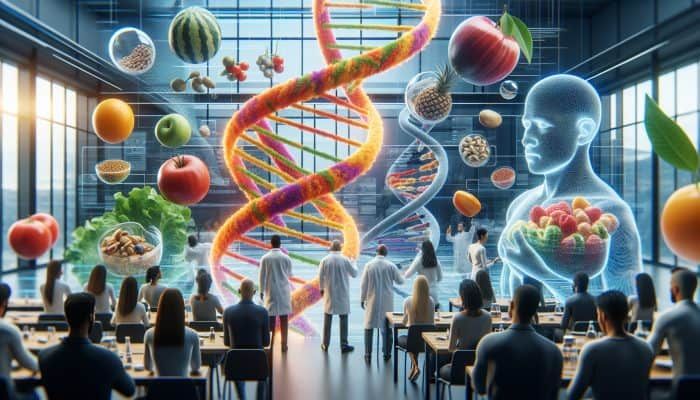
Genetics is often viewed as a mysterious puzzle, with its intricate pieces hidden deep within our DNA. Yet, understanding these pieces can unlock vital insights into human health. Our genetic makeup plays a significant role in determining not just how we look but also how our bodies function and respond to diseases. As science continues to unravel the complexities of genetics, we’re discovering more about the profound impact it has on our well-being.
From inherited traits that define us to potential predispositions for certain conditions, genetics shapes much of who we are. This blog will guide you through the fascinating world of genes and their influence on health. We’ll explore everything from common genetic disorders to cutting-edge developments in genetic research. Get ready to dive deep into how your unique genetic code can empower you towards better health choices!
Understanding DNA and Genes
DNA, or deoxyribonucleic acid, is the blueprint of life. It carries all the genetic instructions necessary for growth, development, and functioning. This complex molecule consists of two strands that twist into a double helix shape.
Genes are segments of DNA that dictate specific traits. They can influence everything from eye color to susceptibility to diseases. Each gene contains the information needed to produce proteins, which perform essential functions in our bodies.
The arrangement of nucleotides—adenine (A), thymine (T), cytosine (C), and guanine (G)—determines an organism’s unique genetic code. Small variations in these sequences can have significant effects on health and well-being.
Understanding how DNA works gives us insight into human biology and disease mechanisms. As research progresses, we discover more about how genes interact with each other and their environment, shaping our overall health landscape.
The Influence of Genetic Variations on Health
Genetic variations play a significant role in shaping our health. These differences can influence everything from how we metabolize medications to our susceptibility to various diseases.
For instance, certain genetic markers are linked to an increased risk of conditions like heart disease and diabetes. Understanding these variations allows scientists to identify individuals who may be at higher risk for illnesses.
On the flip side, some genetic changes offer protection against diseases. This highlights the complex interplay between genetics and health outcomes.
Moreover, personalized medicine is on the rise thanks to advancements in genetic research. Tailoring treatments based on individual genetic profiles could revolutionize healthcare practices.
As more discoveries unfold, it becomes increasingly clear that our unique DNA sequences are critical in determining not just how we get sick but also how we heal.
Common Genetic Disorders and Their Causes
Genetic disorders arise from mutations or abnormalities in an individual’s DNA. These can be inherited from parents or occur spontaneously.
One common example is cystic fibrosis. This disorder affects the lungs and digestive system, caused by a mutation in the CFTR gene. It leads to thick mucus buildup, resulting in breathing difficulties.
Another well-known condition is sickle cell disease. Caused by a mutation in the hemoglobin gene, it alters red blood cells into a crescent shape. This change restricts blood flow and causes severe pain.
Down syndrome occurs due to an extra copy of chromosome 21, leading to intellectual disabilities and distinct physical features. Its prevalence highlights how chromosomal errors can significantly affect development.
Understanding these disorders helps raise awareness about their genetic roots and encourages informed discussions regarding testing and treatment options among families affected by them.
Genetic Testing: Benefits and Limitations
Genetic testing has transformed our understanding of health. It offers insights into predispositions for certain diseases. This knowledge can empower individuals to make informed decisions about their health.
The benefits are significant. Tests can identify hereditary conditions, allowing for early interventions and tailored treatment plans. Families with a history of genetic disorders may find reassurance in knowing their risks.
However, the limitations cannot be overlooked. Not all tests guarantee accurate predictions. Some results might lead to anxiety or unnecessary medical procedures.
Moreover, interpreting genetic data requires expertise that not everyone possesses. Misinterpretation can result in confusion rather than clarity.
Privacy concerns also arise with genetic information storage and sharing. Individuals must consider who accesses their sensitive data and how it’s used over time.
While genetic testing opens doors to personalized medicine, it’s essential to approach it with caution and awareness of its complexities.
How Environmental Factors Interact with Genetics
Environmental factors play a crucial role in shaping our health alongside genetics. These elements include everything from diet and lifestyle to pollution and stress.
For instance, two people with the same genetic predisposition for a disease may have vastly different outcomes based on their environment. A healthy diet can mitigate risks associated with certain genes, while exposure to toxins might exacerbate them.
Additionally, the concept of epigenetics highlights how external influences can alter gene expression without changing the DNA sequence itself. This means that choices we make today could potentially influence future generations.
Even mental health is impacted by this interplay; stress and trauma can affect genetic expression related to mood disorders. Understanding these dynamics empowers individuals to make informed decisions about their health in relation to both their genes and surroundings.
Latest Developments in the Field of Genetics and Health
Recent advancements in genetics are transforming our understanding of health. Researchers are now harnessing CRISPR technology to edit genes with unprecedented precision. This gene-editing tool offers potential cures for genetic disorders that were once deemed untreatable.
Another exciting development is the rise of personalized medicine. By analyzing an individual’s genetic makeup, healthcare providers can tailor treatments to suit specific needs. This approach improves efficacy and reduces side effects.
Furthermore, large-scale genomic studies have unveiled connections between genetics and common diseases like diabetes and heart conditions. These insights pave the way for early detection methods and preventative strategies.
Wearable tech also plays a role in this evolution, enabling real-time monitoring of health metrics linked to genetic predispositions. As data continues to accumulate, we gain deeper insights into how lifestyle choices interact with our genetic blueprints, enhancing overall wellness prospects.
Ethical Considerations Surrounding Genetic Research
Genetic research holds incredible potential, but it also raises ethical dilemmas. The manipulation of DNA can lead to life-changing discoveries, yet it poses questions about consent and ownership. Who truly owns genetic information?
Privacy is another significant concern. As researchers gather data, individuals may fear their genetic details could be misused or disclosed without permission. This anxiety underscores the need for robust regulations to protect personal information.
Moreover, there’s the risk of exacerbating social inequalities. Access to advanced treatments often depends on socioeconomic status. If only a select few benefit from groundbreaking technologies, disparities in health outcomes may widen.
The possibility of “designer babies” adds another layer of complexity. Parents might seek genetic enhancements that favor certain traits over others, challenging our understanding of natural diversity and equity within society. Balancing innovation with ethical responsibility remains crucial as we navigate these uncharted waters.
Practical Steps for Promoting Good Health Through Genetic Knowledge
Understanding your genetic makeup can be a powerful tool for improving health. Start by considering genetic testing if you have a family history of certain conditions. This can provide insights into potential risks.
Next, leverage this information to make informed lifestyle choices. Tailor your diet and exercise regimen based on your unique predispositions. Some people may benefit from specific diets that align with their genetics.
Regular communication with healthcare providers is essential too. Share any relevant genetic findings during check-ups or consultations to ensure personalized care plans.
Don’t overlook the power of education. Stay updated on new research in genetics and health to better understand how advancements might impact you personally.
Consider joining support groups or online forums where individuals discuss their experiences related to genetics and health management. It’s an excellent way to gain insight while connecting with others who share similar journeys.
Conclusion
Genetics plays a pivotal role in our health. Understanding how our DNA and genes influence various aspects of well-being can empower us to make informed choices. Genetic variations can lead to different health outcomes, shedding light on why some people are more susceptible to certain conditions than others.
While genetic disorders have specific causes tied to mutations or abnormalities, advancements in genetic testing offer insights into our individual risks. However, this technology comes with its own set of limitations and ethical concerns that require careful consideration.
Moreover, it’s essential to acknowledge the interaction between genetics and environmental factors. Our lifestyle choices—such as diet, exercise, and exposure to toxins—can significantly impact how our genes express themselves.
As research continues to evolve rapidly in the field of genetics and health, staying updated on new findings is crucial. This knowledge not only enhances personal understanding but also promotes proactive measures for better health management.
By embracing what we learn about genetics, individuals can take practical steps toward improving their overall wellness while navigating the complexities of their unique genetic makeup.