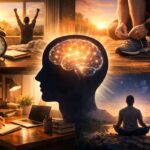


Change has always been part of human life, but the pace of change has increased significantly in recent decades. Technology, artificial intelligence, globalization, economic conditions, environmental challenges, social expectations, and new forms of communication are continuously reshaping how people live and work.
In this environment, adaptability has become one of the most valuable personal and professional qualities. Being adaptable does not mean accepting every change without question. Instead, it means developing the ability to understand new circumstances, adjust strategies, learn new skills, and continue moving forward when conditions change.
Whether in education, business, employment, relationships, or everyday life, adaptability can help people respond more effectively to uncertainty.
What Is Adaptability?
Adaptability is the ability to adjust thoughts, behaviors, strategies, and skills when circumstances change.
An adaptable person can recognize that an old approach may no longer be effective and is willing to explore alternatives. This could mean learning new technology, changing a career strategy, adjusting to a new workplace, or finding a different solution to a difficult problem.
Adaptability is closely connected with flexibility, learning, resilience, and open-mindedness.
Why Is Adaptability Important Today?
Modern society is changing rapidly. New technologies can transform industries within a relatively short period, while economic conditions and consumer expectations can change business strategies.
Skills that are highly valuable today may evolve tomorrow. Organizations that refuse to adapt can lose their competitive position, while individuals who remain open to learning can discover new opportunities.
Adaptability therefore helps people remain prepared rather than simply reacting after change has already occurred.
Technology and the Need for Adaptability
Technology is one of the strongest drivers of modern change.
Artificial intelligence, automation, cloud computing, robotics, and digital platforms are changing how organizations operate. Workers may need to use new software, learn new systems, or develop technical knowledge throughout their careers.
People who are willing to learn and experiment with new technologies are often better positioned to take advantage of these developments.
Adaptability in the Workplace
Modern workplaces are constantly evolving.
Companies may introduce new management systems, reorganize departments, adopt remote work, automate processes, or enter new markets.
Employees who can adjust to changing responsibilities and workflows can become valuable members of an organization.
Adaptability also helps employees handle uncertainty without losing focus on their long-term objectives.
Adaptability and Career Development
Career paths are becoming less predictable.
A person may begin in one profession and later move into another field because of technological changes, personal interests, or new opportunities.
Developing transferable skills can make career transitions easier. Communication, problem-solving, leadership, digital literacy, and analytical thinking can be useful across many industries.
Rather than preparing for only one specific job, adaptable workers can prepare for a range of future possibilities.
The Role of Continuous Learning
Adaptability depends heavily on learning.
People who continue developing their knowledge can respond more effectively when their environment changes.
Learning does not necessarily mean returning to formal education. Online courses, books, professional training, practical experience, mentorship, and independent research can all contribute to personal development.
A commitment to lifelong learning creates a foundation for adapting to new circumstances.
Adaptability and Artificial Intelligence
Artificial intelligence is creating significant changes across industries.
Some tasks are becoming automated, while new opportunities are emerging around AI implementation, data analysis, system management, and human-AI collaboration.
Instead of viewing AI only as a threat, adaptable professionals can learn how to use it as a tool.
Understanding what AI can and cannot do allows people to combine technological capabilities with human judgment.
Adaptability in Business
Businesses must adapt to changing markets, customer expectations, technologies, and competition.
A company that continues using outdated strategies despite changing conditions may struggle to remain successful.
Adaptable businesses monitor their markets, listen to customers, experiment with new ideas, and adjust their strategies when necessary.
However, adaptability does not mean changing direction constantly. Successful businesses balance flexibility with a clear long-term vision.
Adaptability and Entrepreneurship
Entrepreneurs often face uncertainty from the beginning.
Markets may respond differently than expected, products may require modification, or competitors may introduce unexpected challenges.
Entrepreneurs who can learn from feedback and adjust their strategies have greater opportunities to build sustainable businesses.
The ability to turn setbacks into learning experiences is an important aspect of entrepreneurial adaptability.
Adaptability in Education
Students also need adaptability because the skills required in the workforce continue to change.
Traditional academic knowledge remains important, but students increasingly need digital literacy, communication skills, critical thinking, creativity, and problem-solving abilities.
Educational institutions can support adaptability by encouraging curiosity, experimentation, collaboration, and independent learning.
Adaptability and Personal Growth
Adaptability is not limited to professional success.
People experience changes in relationships, responsibilities, financial circumstances, living environments, and personal priorities throughout life.
Being adaptable allows individuals to respond to these changes without becoming completely dependent on familiar routines.
Personal growth often occurs when people step outside their comfort zones and learn to handle unfamiliar situations.
The Connection Between Adaptability and Resilience
Adaptability and resilience are closely related but not identical.
Resilience involves recovering from difficulties, while adaptability involves adjusting to new circumstances.
For example, someone who loses a job may demonstrate resilience by recovering emotionally and financially. Adaptability involves learning new skills, considering alternative career paths, and adjusting to a different employment environment.
Together, these qualities can help people navigate uncertainty more effectively.
Developing an Adaptable Mindset
An adaptable mindset begins with recognizing that change is unavoidable.
Instead of automatically resisting new circumstances, individuals can ask questions such as:
What has changed?
Why has it changed?
What can I learn from this situation?
What options are available?
What skills do I need to develop?
This approach turns uncertainty into a problem that can be analyzed rather than something that must simply be feared.
The Importance of Open-Mindedness
Open-mindedness makes adaptation easier.
People who believe that their existing knowledge is always sufficient may resist new ideas. An open-minded person is willing to consider different perspectives and evaluate new information.
Being open-minded does not mean accepting every idea as correct. It means being willing to examine evidence before reaching a conclusion.
Learning From Failure
Failure can provide valuable information.
When an approach does not work, adaptable individuals can analyze what happened and identify what could be changed.
This creates a cycle of experimentation, learning, and improvement.
Businesses use a similar approach when testing products or strategies. Instead of expecting every experiment to succeed, they use results to make better decisions.
Adaptability and Problem-Solving
Changing circumstances often create unfamiliar problems.
Adaptable people are more likely to approach these situations creatively rather than relying exclusively on established solutions.
They can identify the underlying problem, consider multiple options, evaluate possible outcomes, and select an appropriate response.
This makes adaptability an important component of effective problem-solving.
Adaptability and Communication
Communication skills are essential during periods of change.
Organizations introducing new technologies or processes need employees who can communicate concerns, explain ideas, collaborate with others, and understand different perspectives.
Adaptable people can adjust their communication style depending on the audience and situation.
Adaptability in Leadership
Leaders play an important role in helping organizations respond to change.
An adaptable leader can recognize emerging trends, communicate a clear direction, make informed adjustments, and support employees during transitions.
Leadership adaptability is particularly important when organizations face uncertainty or rapid technological change.
Adaptability and Globalization
Globalization has created increasingly interconnected economies and societies.
Businesses may work with international suppliers, customers, employees, and partners. Individuals may compete for jobs in global labor markets or work with colleagues from different cultures.
Cultural awareness and the ability to communicate across differences are therefore becoming increasingly important.
Adaptability and Remote Work
Remote and hybrid work have changed traditional workplace expectations.
Employees may need to manage their schedules independently, communicate digitally, and collaborate with colleagues across different locations.
People who can adjust their working habits while maintaining productivity are better prepared for flexible employment environments.
Adaptability and Changing Consumer Behavior
Consumer expectations can change quickly.
New technologies, economic conditions, social trends, and cultural influences can affect purchasing decisions.
Businesses need to monitor these changes and adjust their products, services, marketing strategies, and customer experiences accordingly.
Companies that listen to customers are generally better positioned to respond to changing demand.
Barriers to Adaptability
Several factors can make adaptation difficult.
Fear of failure, attachment to familiar routines, lack of confidence, limited skills, and resistance to change can all prevent people from responding effectively.
Sometimes organizations also resist change because existing processes feel comfortable even when they are no longer efficient.
Recognizing these barriers is the first step toward overcoming them.
How to Become More Adaptable
Adaptability can be developed through deliberate practice.
Start by becoming comfortable with learning unfamiliar things. Seek feedback, experiment with new approaches, develop transferable skills, and remain informed about changes in your industry.
It is also useful to avoid becoming overly dependent on a single skill or strategy.
The broader your capabilities, the more options you may have when circumstances change.
Adaptability and Future Opportunities
Change often creates opportunities that did not previously exist.
New technologies can create new industries. Changes in consumer behavior can produce new markets. Economic transformations can encourage new business models.
People who recognize these opportunities early can position themselves for future growth.
Adaptability therefore involves not only surviving change but also identifying possibilities within it.
The Balance Between Stability and Flexibility
Adaptability does not require abandoning stability.
People need values, goals, principles, and long-term objectives. These provide direction while strategies and methods can change.
For example, a person may have a long-term goal of building a successful career while remaining flexible about the specific industry, job title, or skills required to reach that goal.
This balance allows people to remain grounded while responding to new circumstances.
The Future of Adaptability
As artificial intelligence, automation, globalization, climate challenges, and digital transformation continue to develop, adaptability is likely to become even more important.
Future workers may change careers several times, businesses may continuously modify their operating models, and individuals may need to learn new technologies throughout their lives.
The ability to learn, unlearn, and relearn could become one of the defining characteristics of successful individuals and organizations.
Conclusion
Adaptability is an essential skill in a rapidly changing world. Technological innovation, economic transformation, globalization, and changing social expectations mean that individuals and organizations cannot always rely on traditional approaches.
Those who develop an adaptable mindset can respond to uncertainty, learn from experience, develop new skills, and recognize emerging opportunities.
The goal is not to predict every future change. Instead, it is to become capable of responding when change arrives.
By combining continuous learning, open-mindedness, resilience, critical thinking, and flexibility, individuals can build a stronger foundation for personal growth and professional success in an uncertain future.
Frequently Asked Questions
What does adaptability mean?
Adaptability is the ability to adjust your behavior, skills, strategies, or thinking when circumstances change.
Why is adaptability important in modern life?
Technology, employment, business, education, and social expectations are changing rapidly. Adaptability helps people respond effectively rather than becoming dependent on outdated approaches.
Can adaptability be learned?
Yes. Adaptability can be developed through continuous learning, experimentation, feedback, problem-solving, and exposure to new experiences.
How does adaptability help in the workplace?
It helps employees adjust to new technologies, responsibilities, processes, teams, and organizational changes while maintaining productivity.
Is adaptability the same as resilience?
No. Resilience focuses on recovering from difficulties, while adaptability focuses on adjusting to new circumstances. Both skills are valuable and often work together.
How can students become more adaptable?
Students can develop adaptability by learning digital skills, exploring different subjects, practicing problem-solving, accepting feedback, and becoming comfortable with new learning methods.
Why is adaptability important for entrepreneurs?
Entrepreneurs frequently face changing markets, customer expectations, competition, and unexpected challenges. Adaptability allows them to adjust strategies and respond to new opportunities.
How does AI make adaptability more important?
AI is changing job responsibilities and creating new workflows. Workers who learn how to use AI effectively can adapt more easily to changing professional requirements.
What prevents people from adapting to change?
Fear, uncertainty, lack of confidence, resistance to unfamiliar situations, outdated skills, and excessive attachment to established routines can all make adaptation more difficult.
What is the best way to develop an adaptable mindset?
Stay curious, keep learning, accept constructive feedback, experiment with new approaches, develop transferable skills, and view change as an opportunity to learn rather than simply as a threat.