

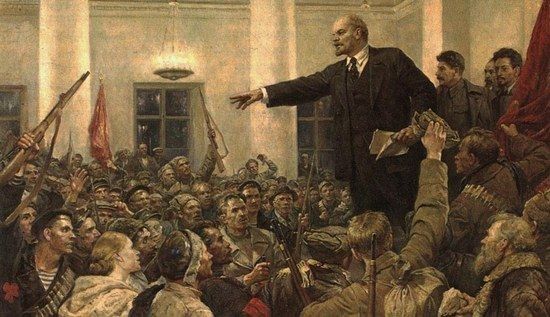
Fascisterne is a term associated with fascism, an authoritarian political ideology that emphasizes strong centralized leadership, extreme nationalism, strict social control, and the suppression of political opposition. Understanding fascisterne requires exploring its historical origins, defining characteristics, political influence, and impact on societies.
This comprehensive guide examines the meaning of fascisterne, its historical development, major principles, and its continuing relevance in discussions about politics, democracy, and human rights.
What Does Fascisterne Mean?
Fascisterne is a Scandinavian-language term commonly used to refer to fascists or people associated with fascist movements. It relates to fascism, a political ideology that became particularly influential in Europe during the early twentieth century.
Fascist movements generally promote authoritarian government, aggressive nationalism, loyalty to a powerful leader, and the belief that individual freedoms should be subordinate to the interests of the state or nation.
Although fascist movements have differed across countries, they have frequently shared an opposition to liberal democracy, political pluralism, and independent institutions.
The Historical Origins of Fascisterne
Fascism emerged in Europe following the First World War. Economic instability, political unrest, social divisions, and dissatisfaction with existing governments created conditions in which authoritarian movements could gain support.
Italy became the birthplace of the first major fascist movement under Benito Mussolini. His government established a dictatorship during the 1920s and developed a political system built around centralized authority, nationalism, propaganda, and suppression of opposition.
Germany later experienced the rise of Nazism under Adolf Hitler. Although Nazism shared important characteristics with fascism, it also placed particular emphasis on racial ideology, antisemitism, and expansionist ambitions.
These movements contributed to political repression, persecution, war, and widespread human suffering.
Main Characteristics of Fascisterne
1. Authoritarian Leadership
Fascist movements typically support concentrated political power under a dominant leader. Democratic accountability and institutional independence are weakened or eliminated.
2. Extreme Nationalism
Fascism promotes an intense form of nationalism that places the nation above individual interests. It may portray certain groups, countries, or political opponents as threats to national identity.
3. Suppression of Opposition
Independent political parties, journalists, activists, and opposition organizations may face censorship, intimidation, imprisonment, or violence under fascist governments.
4. Propaganda and Political Control
Propaganda plays an important role in fascist systems. Governments use controlled media, political messaging, public demonstrations, and carefully constructed national narratives to influence public opinion.
5. Militarism
Many fascist movements glorify military strength, discipline, and national expansion. Military institutions may become closely connected to political leadership.
How Fascisterne Influenced European History
The rise of fascist movements significantly changed European politics during the twentieth century. Their influence contributed to the weakening of democratic institutions and the establishment of authoritarian governments.
Under fascist and Nazi regimes, political freedoms were restricted, opposition movements were persecuted, and state institutions were used to enforce ideological control.
The Second World War demonstrated the devastating consequences of aggressive expansionism and authoritarian nationalism. The defeat of fascist regimes in 1945 reshaped international politics and strengthened discussions about democracy, human rights, and international cooperation.
Fascisterne and Modern Political Discussions
Although the historical fascist regimes were defeated during the Second World War, fascism remains an important subject in contemporary political discussions.
Researchers, historians, and political analysts examine authoritarian movements, extremist nationalism, political propaganda, and attacks on democratic institutions to understand how similar patterns might develop.
However, not every nationalist, conservative, authoritarian, or populist political movement is automatically fascist. Accurate classification requires examining its ideology, political methods, treatment of opposition, and relationship with democratic institutions.
The Difference Between Fascism and Other Political Ideologies
Understanding fascism also requires distinguishing it from other political systems.
Fascism: Promotes authoritarian leadership, extreme nationalism, political unity enforced through state power, and suppression of opposition.
Democracy: Supports political participation, competitive elections, civil liberties, and accountability through established institutions.
Communism: Traditionally advocates collective ownership of productive resources and the establishment of a classless society, although historical communist governments have varied considerably.
Conservatism: Generally emphasizes tradition, established institutions, and gradual social or political change. It is not inherently fascist.
These distinctions help prevent misunderstandings when discussing political ideologies.
Why Is It Important to Study Fascisterne?
Studying fascisterne provides valuable historical and political knowledge. It helps readers understand how authoritarian movements develop, how propaganda influences societies, and why democratic institutions and civil liberties matter.
Historical awareness can also help people recognize warning signs such as political intimidation, attacks on independent journalism, dehumanization of targeted groups, and attempts to eliminate democratic accountability.
Education and open political discussion remain important tools for protecting democratic values.
Conclusion
Fascisterne is a term connected to fascists and the broader history of fascism. Understanding its origins, political principles, and historical consequences provides important insights into authoritarianism and the development of modern political systems.
By examining the history of fascist movements and their impact on society, readers can better understand the importance of democracy, human rights, political freedom, and responsible leadership.
Frequently Asked Questions (FAQs)
1. What does fascisterne mean?
Fascisterne is a Scandinavian-language term referring to fascists or individuals associated with fascist political movements.
2. What is fascism?
Fascism is an authoritarian political ideology characterized by extreme nationalism, centralized leadership, suppression of opposition, and the prioritization of the state or nation over individual freedoms.
3. Where did fascism originate?
Modern fascism emerged in Italy after the First World War under the leadership of Benito Mussolini.
4. Who were the most famous fascist leaders?
Benito Mussolini in Italy and Adolf Hitler in Germany were two of the most prominent leaders associated with twentieth-century fascist movements.
5. How did fascism affect European history?
Fascist movements weakened democratic institutions, encouraged political repression, promoted aggressive nationalism, and contributed to the events leading to the Second World War.
6. Does fascism still exist today?
Fascist ideology and movements continue to be studied and discussed today. Some contemporary extremist groups promote ideas associated with historical fascism, although their beliefs and organizations vary.
7. Why should people learn about fascism?
Learning about fascism helps people understand authoritarian politics, recognize threats to democratic institutions, and appreciate the importance of individual rights and political freedoms.