

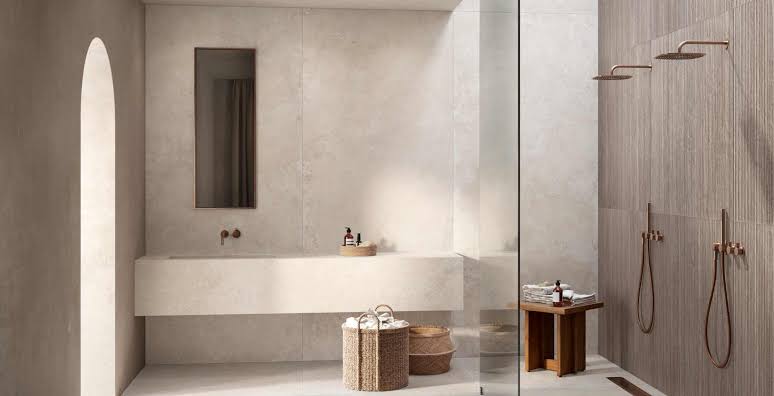
Choosing the right bathroom tiles can completely change the appearance, comfort, and functionality of your bathroom. Tiles are available in countless colors, sizes, materials, patterns, textures, and finishes, which can make the selection process feel overwhelming.
The right bathroom tile should do more than look attractive. It needs to handle moisture, provide suitable slip resistance for the area, withstand regular use, and be practical to clean and maintain. Porcelain, ceramic, natural stone, glass, and mosaic tiles can all have different characteristics and applications.
Whether you are renovating a small bathroom, designing a family bathroom, or creating a relaxing spa-style space, understanding the important factors will help you make a confident choice.
Consider Where the Tile Will Be Used
Before choosing a design, decide exactly where you want to install the tile.
Bathroom walls, shower walls, shower floors, and main floors can have different requirements. A tile that works beautifully as a decorative wall feature may not be suitable for a wet floor.
Floor tiles need to provide appropriate durability and traction, while wall tiles can give you more freedom with decorative finishes and materials. Always check the manufacturer’s recommended application before purchasing.
For wet areas, moisture resistance is particularly important because bathrooms are regularly exposed to water and humidity.
Choose Between Porcelain and Ceramic Tile
Porcelain and ceramic are two of the most popular bathroom tile materials.
Porcelain is denser and absorbs less water than standard ceramic tile. It is also highly durable, making it a popular choice for bathroom floors and shower areas. Porcelain can also imitate materials such as marble, natural stone, and wood.
Ceramic tile is generally easier to cut and can be more budget-friendly. It also comes in an enormous range of colors, patterns, shapes, and finishes, making it particularly useful for bathroom walls.
For many bathrooms, porcelain works well for floors while ceramic can be an attractive and economical choice for walls.
Think About Water Resistance
Bathrooms are among the most moisture-heavy rooms in a home, so water resistance should be one of your main considerations.
A tile’s porosity affects how much water it can absorb. Dense, low-porosity tiles are generally better suited to wet environments. Porcelain is particularly useful because of its low water absorption.
Natural stone can also be used in bathrooms, but some varieties are porous and may require appropriate sealing and ongoing maintenance.
Do not look only at the appearance of a tile. Check its technical specifications and make sure it is designed for the location where you intend to install it.
Choose Slip-Resistant Bathroom Floor Tiles
Safety is especially important when selecting bathroom floor tiles.
Water, soap, and cleaning products can make a smooth floor slippery. For this reason, a bathroom floor should have an appropriate slip-resistant surface rather than simply choosing the smoothest or glossiest tile available.
Tile manufacturers may provide slip-resistance or coefficient-of-friction information on product packaging. Higher friction generally indicates greater resistance to slipping, although the appropriate rating depends on the specific installation and conditions.
For shower floors, smaller tiles can also be useful because their additional grout joints can provide more texture and traction. Penny and mosaic tiles are examples that can work well when the specific product is suitable for wet-floor use.
Decide on the Right Tile Size
Tile size can have a major impact on how your bathroom looks.
Large-format tiles can create a clean and contemporary appearance. Because they use fewer individual pieces, they can also reduce the number of visible grout lines. This can help create a more continuous visual effect, particularly in modern bathrooms.
Smaller tiles can introduce more texture and visual detail. They are especially useful for shower floors, curved surfaces, decorative areas, and feature sections.
For a small bathroom, large tiles can sometimes make the room feel more open because fewer grout lines interrupt the visual surface.
However, the shape and layout of the room should always be considered before choosing a particular size.
Choose a Suitable Tile Color
Color establishes much of the atmosphere in a bathroom.
White and off-white tiles can create a bright, clean appearance. Beige, taupe, and other neutral shades can produce a warmer and more relaxed environment. Blue and green tones can introduce a fresh, calming character.
If your bathroom is small or receives limited natural light, lighter colors can help make the space feel brighter. Darker tiles can create a dramatic and luxurious appearance, but they may make a small room feel visually heavier when used extensively.
Think about the overall style of your home rather than choosing a tile based only on current trends.
Consider Glossy, Matte, or Textured Finishes
The finish of a tile affects both appearance and practicality.
Glossy tiles reflect light and can make walls appear brighter. They can work particularly well as shower-wall tiles or decorative wall tiles.
Matte tiles provide a softer, more understated appearance. They can also be useful for bathroom floors because extremely smooth surfaces can be less suitable for wet environments.
Textured tiles can add depth and character, but heavily textured surfaces may require more cleaning because dirt and soap residue can collect in their contours.
For floors, prioritize safety and maintenance before choosing a finish simply because it looks attractive.
Think About Grout Color
Grout is often overlooked when selecting bathroom tiles, but it can significantly influence the finished appearance.
Matching grout closely with the tile color creates a more seamless appearance. A contrasting grout color makes individual tiles and their pattern more noticeable.
For example, white subway tiles with dark grout create a strong geometric effect, while white tiles with light grout produce a softer and more continuous appearance.
Grout also requires maintenance. In bathrooms, a suitable grout sealer can help protect grout from moisture penetration, depending on the grout product and installation.
Select Tiles That Are Easy to Clean
A beautiful bathroom can become frustrating if its surfaces are difficult to maintain.
Smooth, glazed surfaces are generally easier to wipe clean. Large-format tiles can also reduce the number of grout joints, potentially making routine cleaning easier.
Small mosaic tiles have more grout lines, which can create attractive patterns but also increase the amount of grout that needs cleaning.
If you have a busy household, choose a tile design that fits your cleaning routine rather than selecting something that requires constant maintenance.
Consider Natural Stone Tiles
Natural stone can give a bathroom a distinctive, high-end appearance. Marble, granite, slate, and travertine are examples of natural stone materials used in bathroom design.
However, natural stone characteristics vary considerably. Some stones are more porous and may require sealing to help protect against moisture and staining.
Natural stone can therefore be an excellent design choice, but you should understand its maintenance requirements before purchasing it.
Use Mosaic Tiles for Decorative Details
Mosaic tiles can be an effective way to introduce personality without covering the entire bathroom in an elaborate pattern.
You could use mosaic tiles as a shower-floor surface, around a niche, behind a vanity, or as a narrow decorative strip.
Because mosaics are often supplied on mesh sheets, installation can be easier than placing every small tile individually.
A small amount of mosaic tile can create a strong design feature without overwhelming the room.
Match Wall and Floor Tiles
Your wall and floor tiles do not necessarily need to be identical.
Instead, choose materials and colors that complement each other. For example, a neutral stone-look floor could be combined with simple white wall tiles, or a patterned floor could be balanced with plain walls.
Using different tile sizes can also create visual interest. A large-format floor combined with smaller wall tiles can give the bathroom a layered appearance.
The key is to establish a consistent color palette so that the different surfaces feel connected.
Think About Bathroom Size
The size of your bathroom should influence your tile selection.
In a small bathroom, large-format tiles, light colors, and simple patterns can help create a cleaner and more spacious visual effect. Fewer grout lines can make surfaces appear less fragmented.
In a larger bathroom, you have more freedom to experiment with patterns, darker colors, decorative borders, feature walls, and contrasting surfaces.
However, a large bathroom does not automatically require large tiles. Smaller patterns can add warmth and character when used thoughtfully.
Consider the Lighting
Bathroom lighting can change how your tiles look.
A tile that appears warm in a showroom may look different under cool LED lighting at home. Glossy surfaces reflect more light, while matte surfaces absorb more of the visual effect.
Before making a final decision, try to view tile samples under the lighting conditions in your bathroom.
Natural light should also be considered. A bathroom with a large window may support darker or stronger colors, while a windowless bathroom may benefit from lighter surfaces.
Create a Cohesive Bathroom Style
Think about the overall atmosphere you want to create.
For a modern bathroom, large-format porcelain, neutral colors, clean lines, and simple patterns can work well.
For a traditional bathroom, subway tiles, classic patterns, soft neutrals, and decorative details may be appropriate.
For a spa-inspired bathroom, natural-looking stone, warm neutrals, wood-look porcelain, and subtle textures can create a relaxing atmosphere.
There is no single correct bathroom tile style. The important thing is to choose materials that work together rather than selecting every tile independently.
Calculate Your Tile Budget
Tile prices can vary significantly depending on the material, size, finish, brand, and design.
Porcelain may have a higher initial cost than some ceramic options, while natural stone can require additional spending for sealing and maintenance. Installation costs should also be included in your budget.
Do not calculate only the exact amount of tile needed. It is sensible to allow extra material for cuts, breakage, pattern matching, and future repairs.
Buying from the same production batch can also help minimize visible differences in color or pattern between boxes.
Don’t Forget About Tile Thickness
Tile thickness can affect installation and the finished level of your bathroom surfaces.
Different tiles can have different thicknesses, and combining materials may require careful planning around doors, drains, fixtures, and transitions.
If you are replacing existing tiles, check the available depth before buying your new materials.
A professional installer can help determine whether the selected tile is appropriate for the existing surface and layout.
Pay Attention to Tile Ratings
Tile packaging contains useful information that can help you determine whether a particular product is suitable for your project.
Depending on the product, you may find information about water absorption, durability, slip resistance, and recommended applications. PEI ratings can help indicate a tile’s resistance to wear, while water-absorption information is particularly relevant in bathrooms.
Instead of choosing a tile based entirely on appearance, check these specifications before purchasing.
Plan the Layout Before Installation
The way tiles are arranged can change the appearance of your bathroom.
A traditional straight layout creates a clean and organized appearance. A staggered layout can provide a more casual look, while diagonal or patterned arrangements can create additional visual interest.
Large-format tiles may need careful planning around corners and plumbing fixtures because fewer pieces mean that cuts are more noticeable.
It is worth creating a layout plan before installation begins. This can reduce unnecessary cutting and help you decide where the most visible full tiles should be positioned.
Choose the Right Tile for the Shower
Shower areas deserve particular attention because they receive frequent and direct exposure to water.
For shower walls, porcelain and suitable ceramic tiles are popular choices because they are available in a wide range of colors and designs. For shower floors, choose a product specifically appropriate for wet-floor use and prioritize slip resistance.
Avoid selecting a shower-floor tile purely because it looks attractive. Safety, water resistance, maintenance, and compatibility with the installation system should come first.
Think About Long-Term Maintenance
Before buying a tile, ask yourself how it will look and perform several years from now.
Very trendy patterns can become less appealing as design preferences change. Extremely light grout can also require more frequent cleaning to maintain its appearance.
Natural stone may need periodic sealing, while other tile surfaces can be comparatively low maintenance.
A timeless tile combined with a few replaceable decorative accessories can be a practical way to keep your bathroom attractive without making future updates difficult.
Order Samples Before Buying
Pictures on a website or showroom display cannot always show exactly how a tile will look in your bathroom.
Whenever possible, obtain physical samples. Place them against your walls, floor, vanity, cabinets, and other finishes.
Look at the samples during both daylight and artificial lighting. This can reveal differences in color, texture, and reflectivity that may not be obvious in a store.
Common Mistakes to Avoid
One common mistake is choosing tiles based solely on appearance. A beautiful tile may not be suitable for a wet floor or high-use area.
Another mistake is using too many different patterns. Bathrooms can quickly look visually crowded when several competing designs are combined.
Ignoring grout is another problem. The grout color and joint size can have a surprisingly large effect on the final design.
Finally, avoid purchasing tiles without checking their intended application, water resistance, slip characteristics, maintenance requirements, and installation needs.
Final Thoughts
Choosing the right bathroom tiles requires a balance between style and performance. The best option for your bathroom should complement your design preferences while also handling moisture, everyday use, cleaning, and safety requirements.
Porcelain is a strong option for many bathroom floors and wet areas because of its durability and low water absorption, while ceramic can provide an affordable and versatile solution for many walls. Natural stone and mosaic tiles can add distinctive character when their maintenance and installation requirements are properly considered.
Take time to compare samples, check product specifications, plan your layout, and consider the complete bathroom design before making your final purchase. A thoughtful tile choice can make your bathroom more attractive, practical, and enjoyable for years.
Frequently Asked Questions
What is the best tile for a bathroom?
Porcelain is a popular choice for bathroom floors and wet areas because it is dense, durable, and highly water resistant. Ceramic can also be an excellent choice, particularly for walls and projects where budget and design variety are important.
Are porcelain tiles better than ceramic tiles for bathrooms?
Neither material is automatically better for every application. Porcelain is denser and generally absorbs less water, while ceramic is often easier to cut and can be more economical. The right choice depends on where the tile will be installed and the requirements of the project.
What tile is best for a bathroom floor?
Choose a tile designed for floor use with suitable moisture resistance and slip characteristics. Porcelain is commonly selected for bathroom floors, while appropriately rated ceramic and some natural stone products can also be used.
Are large tiles good for small bathrooms?
Yes. Large-format tiles can make a small bathroom appear more continuous because they create fewer grout lines. However, installation conditions and the room’s layout should be considered before selecting a large tile.
Are glossy tiles suitable for bathroom floors?
Glossy tiles can be attractive, but the surface must provide appropriate traction for the conditions where it will be installed. A very smooth surface may be less suitable for a wet floor, so check the manufacturer’s slip-resistance information.
What color bathroom tiles make a room look bigger?
Light colors such as white, cream, light gray, and soft neutral shades can help a bathroom feel brighter and more spacious. Using consistent colors across walls and floors can also create a more continuous visual effect.
How do I choose grout color for bathroom tiles?
Matching grout to the tile creates a subtle, seamless appearance, while contrasting grout emphasizes the individual tile shapes and pattern. Consider both appearance and maintenance when making your decision.
Are natural stone tiles good for bathrooms?
Natural stone can create a beautiful bathroom, but some stone types are porous and require sealing and additional maintenance. Always check the characteristics and care requirements of the specific stone before installation.
What tiles are best for shower walls?
Porcelain and suitable ceramic tiles are commonly used for shower walls because they are available in many designs and can provide good moisture resistance. Always confirm that the selected product is approved for the intended wet-area application.
What tiles are best for a shower floor?
Choose tiles specifically suitable for wet-floor applications and prioritize slip resistance. Smaller-format tiles can be useful because their grout joints can add texture and traction.
How much extra tile should I buy?
The amount of extra tile depends on the room shape, tile size, layout, and complexity of the installation. Allowing extra material for cuts, breakage, and future repairs is generally sensible. Your installer or tile supplier can help calculate the appropriate quantity.
How can I make bathroom tiles easier to maintain?
Choose surfaces that suit your cleaning routine, avoid unnecessarily complicated patterns, and consider how much grout will be exposed. Large-format tiles can reduce grout lines, while appropriate sealing can help protect some grout and natural stone surfaces from moisture.