

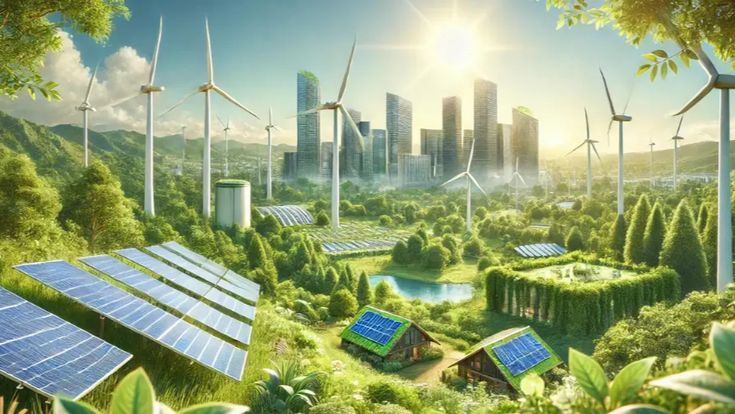
As the world grapples with the escalating effects of climate change, a wave of innovation is sweeping across industries. Climate technology, or cleantech, stands at the forefront of this transformation. It encompasses a range of tools and solutions designed to address environmental challenges while promoting sustainability.
From renewable energy systems to carbon capture methods, these technologies offer hope for a greener future. They not only aim to reduce our reliance on fossil fuels but also pave the way for more sustainable practices in various sectors. As we delve into how climate technology is reshaping our approach to environmental issues, it’s clear that progress is being made—and it’s happening faster than many realize.
The Impact of Climate Change
Climate change is reshaping our planet in profound ways. Rising temperatures are causing glaciers to melt and sea levels to rise, threatening coastal communities worldwide. Extreme weather events are becoming more frequent, resulting in devastating floods, droughts, and wildfires.
Ecosystems struggle to adapt as habitats shift or disappear altogether. Many plant and animal species face extinction due to these rapid changes. The loss of biodiversity affects food chains and disrupts the balance of nature.
Human health is also at risk. Air pollution worsens with changing climate patterns, leading to respiratory issues and other illnesses. Crop yields fluctuate, impacting food security for millions globally.
These challenges underscore the urgency for innovative solutions that address not only environmental needs but also social equity as we strive toward a sustainable future together.
Innovative Solutions and Technologies
Innovative solutions are at the heart of climate technology. From artificial intelligence to blockchain, new tools are emerging to tackle environmental challenges. These technologies help streamline processes and increase efficiency across various sectors.
One standout innovation is carbon capture and storage (CCS). This approach captures CO2 emissions from industrial sources, preventing them from entering the atmosphere. With improved methods, CCS can significantly reduce greenhouse gas levels.
Another exciting development is smart grid technology. By optimizing energy distribution and consumption, these grids enable more efficient use of renewable resources like solar and wind power. Real-time data allows consumers to adjust their usage based on availability.
In agriculture, precision farming techniques utilize drones and sensors to monitor crop health in real time. This not only improves yields but also minimizes waste by ensuring that inputs like water and fertilizers are used efficiently.
The wave of innovative technologies paves a promising path for sustainable practices in our daily lives.
Renewable Energy Sources
Renewable energy sources are changing the way we think about power. They harness natural elements like sunlight, wind, and water to produce electricity without depleting resources or harming the environment.
Solar panels have become increasingly popular. They capture sunlight and convert it into usable energy for homes and businesses. With advancements in technology, solar efficiency continues to improve, making it a viable option for many.
Wind turbines are another key player. By transforming wind movement into electricity, they offer a clean alternative that can be implemented in various landscapes—from coastal areas to open plains.
Hydropower remains one of the oldest renewable methods. By utilizing flowing water from rivers or dams, it generates significant amounts of energy while minimizing carbon emissions.
These sources not only reduce reliance on fossil fuels but also promote sustainable development across communities worldwide. Embracing this shift is essential for creating a better future for our planet.
Reducing Carbon Footprints
Reducing carbon footprints is crucial in the fight against climate change. Individual actions can make a significant impact.
One effective method is altering transportation habits. Opt for public transit, carpooling, or biking whenever possible. These choices decrease reliance on fossil fuels and lower greenhouse gas emissions.
Energy consumption at home also plays a vital role. Simple adjustments like switching to LED bulbs or utilizing energy-efficient appliances help minimize electricity usage.
Consider your diet as well; eating less meat and incorporating more plant-based meals can drastically cut down on carbon output associated with livestock farming.
Small lifestyle changes accumulate over time, leading to substantial reductions in overall emissions. Each step taken towards sustainability contributes to a healthier planet for future generations. Engaging communities through awareness campaigns encourages collective action toward greener living practices too.
Sustainable Agriculture
Sustainable agriculture is revolutionizing the way we think about food production. It focuses on methods that protect the environment while meeting our dietary needs.
Practices like crop rotation and agroforestry enhance soil fertility. They also encourage biodiversity, which is crucial for a resilient ecosystem.
Farmers are increasingly utilizing precision farming techniques. These approaches rely on data to optimize resources such as water and fertilizers, reducing waste and costs.
Integrating livestock into cropping systems can provide natural fertilization. This symbiotic relationship not only improves yields but also minimizes agricultural runoff.
Moreover, organic farming practices avoid harmful pesticides and synthetic fertilizers. By embracing these methods, producers contribute to healthier ecosystems and communities alike.
Innovations in seed technology are also notable. Genetically diverse crops can withstand climate challenges better than traditional varieties, ensuring stable food supplies even in adverse conditions.
Conclusion: A Greener Future Ahead
The journey towards a sustainable planet is well underway. Climate technology plays a pivotal role in this transformation, presenting innovative solutions that address the pressing challenges of climate change.
With advancements in renewable energy sources like solar and wind, we can harness nature’s power to fuel our lives sustainably. The shift away from fossil fuels is not only beneficial for the environment but also opens up new economic opportunities.
Reducing carbon footprints has become more achievable with smart technologies. From electric vehicles to smart home systems, individuals and businesses alike are making strides toward minimizing their impact on the earth.
Sustainable agriculture practices are revolutionizing how we produce food while protecting natural ecosystems. Techniques such as vertical farming and precision agriculture ensure that we use resources wisely without compromising yields.
As these innovations gain traction, they pave the way for a greener future. The collaboration between governments, businesses, and communities holds great promise for creating solutions that benefit both people and the planet. Together, we’re building an environmentally conscious world where sustainability thrives alongside progress.