
Choosing the right flooring can have a major impact on the appearance, comfort, durability, and functionality of a home. Every room has different requirements, so a flooring material that works well in a bedroom may not be the best choice for a kitchen, bathroom, or busy hallway.
The best flooring decision balances style with practical considerations such as moisture, foot traffic, maintenance, comfort, durability, and budget. By understanding the characteristics of different flooring options and matching them to each room, homeowners can create a comfortable and cohesive interior.
Consider the Room Before Choosing Flooring
Before selecting a flooring material, think about how the room is used. A busy family area may need a highly durable surface, while a bedroom may benefit from something softer and warmer underfoot.
Moisture is another important factor. Kitchens, bathrooms, laundry areas, and entryways may experience water exposure, making moisture-resistant flooring particularly important.
You should also consider cleaning requirements, pets, children, furniture, natural light, and the overall style of the home.
Best Flooring for the Living Room
The living room is often one of the most frequently used areas of a home, so flooring needs to combine durability with comfort and appearance.
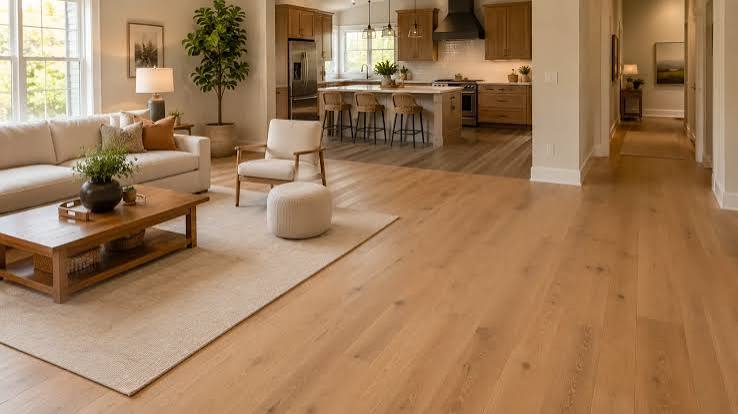
Hardwood is a popular choice because it offers a timeless appearance and can complement many interior styles. Engineered wood can provide a similar aesthetic while offering different construction characteristics.
Laminate and luxury vinyl flooring can also be practical alternatives, particularly for households looking for easy maintenance and a wide variety of designs.
Carpet remains an option for homeowners who prioritize softness and warmth, although it may require more careful cleaning and maintenance.
Choosing Flooring for the Kitchen
Kitchen flooring needs to withstand spills, food debris, frequent cleaning, and heavy foot traffic.
Porcelain and ceramic tiles are popular options because they are durable and available in numerous colors, patterns, and textures. Properly selected vinyl flooring can also provide a practical and comfortable surface.
Luxury vinyl is often chosen for kitchens because it can replicate the appearance of wood or stone while offering a resilient surface.
If you choose a hard material such as tile, consider how comfortable it will be to stand on for long periods and whether rugs or anti-fatigue mats could improve comfort in work areas.
Flooring for the Bathroom
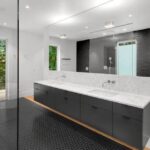
Bathrooms require flooring that can handle moisture and humidity.
Porcelain and ceramic tile are widely used because they are available in many water-resistant designs and can be installed with suitable waterproofing systems.
Luxury vinyl designed for bathroom applications can also be an option, depending on the product and installation method.
Avoid choosing flooring based solely on appearance. Bathroom floors should also provide appropriate traction when wet, and the underlying floor assembly must be properly protected from moisture.
Choosing Bedroom Flooring
Bedrooms are generally more suited to flooring that provides warmth and comfort.
Carpet can create a soft, quiet surface and may be particularly appealing in bedrooms. Hardwood, engineered wood, laminate, and suitable vinyl can also work well when paired with area rugs.
The right choice depends on whether you prioritize softness, easy cleaning, visual warmth, or a particular interior design style.
Flooring for the Dining Room
Dining rooms need flooring that can handle chair movement, food spills, and regular cleaning.
Hard flooring such as hardwood, engineered wood, tile, laminate, or suitable luxury vinyl can work well. The surface should be durable enough to handle furniture movement without becoming difficult to maintain.
An area rug beneath the dining table can add warmth and help define the space, but it should be selected carefully to avoid creating a difficult-to-clean surface.
Flooring for the Home Office
A home office needs flooring that works well with chairs, desks, and extended periods of use.
Hard surfaces such as wood, laminate, or luxury vinyl can provide a clean and professional appearance. Carpet can offer additional softness and sound absorption.
If using a rolling office chair, consider whether the flooring is suitable for casters and whether a protective chair mat is appropriate.
Best Flooring for Hallways
Hallways receive significant foot traffic and connect different areas of the home, so durability is especially important.
Hardwood, engineered wood, laminate, tile, and resilient flooring can all be suitable depending on the home’s design and the specific conditions.
Because hallways are visible from several rooms, it is often helpful to select flooring that coordinates with adjacent spaces.
Choosing Flooring for an Entryway
Entryways are exposed to dirt, moisture, footwear, and heavy traffic.
Tile, porcelain, stone, and resilient flooring can provide durable surfaces that are relatively easy to clean. The best choice depends on the climate, amount of outdoor exposure, and layout of the entrance.
A quality doormat can also help reduce the amount of dirt and moisture brought into the home.
Flooring for Laundry Rooms
Laundry rooms can experience moisture from washing machines, utility sinks, and accidental spills.
Moisture-resistant flooring is therefore a sensible consideration. Tile and suitable resilient flooring can work well when installed correctly.
The entire floor assembly should be considered, including drainage, waterproofing where appropriate, and protection around plumbing connections.
Flooring for Children’s Rooms
Children’s rooms need flooring that is comfortable, durable, and relatively easy to clean.
Carpet can provide softness for playing and may reduce the impact of minor falls. However, hard flooring combined with washable rugs can also be practical.
If selecting carpet, consider stain resistance and cleaning requirements. For hard flooring, use area rugs to add comfort and warmth where appropriate.
Flooring for Homes With Pets
Pets can influence the choice of flooring because claws, accidents, shedding, and dirt can affect surfaces.
Hard surfaces such as tile, luxury vinyl, and certain laminate products can be easier to clean than some types of carpet. However, no flooring is completely immune to scratching or staining.
Pet-friendly flooring should be selected based on durability, traction, cleaning requirements, and the specific habits of the animals in the household.
Hardwood Flooring
Hardwood provides a natural appearance and can complement both traditional and contemporary interiors.
It can be refinished in many circumstances, which may extend its useful life. However, wood flooring requires consideration of moisture, scratches, maintenance, and installation conditions.
Solid and engineered hardwood have different construction characteristics, so homeowners should compare them according to the specific room and environment.
Laminate Flooring
Laminate flooring can provide the appearance of wood or other materials at a potentially lower cost than some natural flooring options.
It is available in many designs and can be relatively easy to maintain. However, water resistance varies among products, so product specifications should be carefully reviewed before installation, particularly in moisture-prone rooms.
Luxury Vinyl Flooring
Luxury vinyl flooring has become popular because it can imitate wood, stone, and other materials while offering a resilient surface.
Depending on the product, it can be suitable for areas where moisture resistance and easy cleaning are important. Product specifications and installation instructions should always be followed.
Tile Flooring
Tile is particularly useful in kitchens, bathrooms, entryways, and other areas where durability and moisture resistance are important.
Ceramic and porcelain tiles come in numerous designs and sizes. However, tile can feel hard and cold underfoot, and grout may require maintenance.
Slip resistance is especially important when selecting tiles for wet areas.
Carpet Flooring
Carpet can add softness, warmth, and sound absorption to a room.
It is often associated with bedrooms, family rooms, and other areas where comfort is a priority. However, carpet can be more sensitive to stains, moisture, and dirt than many hard flooring surfaces.
The fiber type, pile, quality, and underlay can all influence its performance.
Think About Maintenance
Every flooring material has different maintenance requirements.
Some surfaces can be swept and mopped easily, while others may require specialized cleaning products or periodic maintenance.
Before choosing flooring, consider how much time you are willing to spend maintaining it. A visually attractive floor that requires more maintenance than your lifestyle allows may become frustrating over time.
Consider Your Budget
Flooring costs involve more than the price of the material.
Installation, subfloor preparation, underlayment, transitions, trim, adhesives, removal of existing flooring, and future maintenance can all affect the total cost.
It is useful to compare the complete installed cost rather than focusing only on the price per square foot or square meter.
Think About the Whole House
Although different rooms may need different flooring materials, the overall home should still feel cohesive.
Using related colors, finishes, or flooring styles can create visual continuity between rooms. In open-plan homes, using the same flooring across multiple areas can make the space appear more unified.
Transitions should be carefully planned where different materials meet.
Frequently Asked Questions
What is the best flooring for the whole house?
There is no single flooring type that is ideal for every home. The best choice depends on moisture levels, traffic, comfort, maintenance, budget, and personal style.
What flooring is best for bathrooms?
Porcelain and ceramic tile are common choices, while suitable resilient flooring can also work. Moisture protection and appropriate slip resistance are important considerations.
Is hardwood suitable for kitchens?
Hardwood can be used in kitchens, but moisture and spills need to be managed carefully. The specific product, finish, installation, and household habits should all be considered.
What is the easiest flooring to maintain?
Many homeowners find tile and resilient flooring relatively easy to clean. However, maintenance depends on the specific product, installation, surface finish, and cleaning practices.
What flooring is best for bedrooms?
Carpet is popular for its softness and warmth, while hardwood, engineered wood, laminate, and suitable vinyl can provide attractive alternatives.
Is tile too hard for living areas?
Tile can be used in living areas, but it has a harder surface than carpet or some resilient flooring. Area rugs can help add warmth and comfort.
How do I choose flooring for a home with pets?
Consider scratch resistance, cleaning requirements, traction, moisture resistance, and the habits of your pets. Hard surfaces are often easier to clean, but product characteristics vary considerably.
Conclusion
Choosing the right flooring for each room requires more than selecting a material based on appearance. The best flooring should match the room’s function, moisture conditions, traffic level, maintenance requirements, comfort needs, and overall design.
Kitchens and bathrooms often benefit from moisture-conscious flooring, bedrooms may prioritize warmth and comfort, while hallways and entryways require durability. Living rooms and dining spaces offer more flexibility and can accommodate a wide range of materials.
By considering both practical performance and visual style, you can choose flooring that makes every room more comfortable, attractive, and functional for years to come.